Let’s Talk Love Languages
Have you ever been in a relationship where you knew someone cared about you, but it still didn’t feel like you were truly seen or understood? Often, that disconnect comes down to different love languages. Most people appreciate more than one, but usually have one primary way they give and receive love. Traditionally, there are five: words of affirmation, quality time, acts of service, physical touch, and gift giving. Some also recognize a sixth, feeling known, which I include here.
Love languages are usually discussed in romantic relationships, but they extend beyond that. They develop from how we learned to feel safe and cared for, and they show up in everyday life whether you’re partnered or not. Your love language affects what helps you feel supported. Understanding it allows you to recognize those needs, respond to them with more awareness, and communicate them when necessary instead of ignoring them or waiting for someone else to meet them.
In relationships of any kind, recognizing other people’s love languages can help you support them more intentionally. Many people wait for others to just know what they need or to make the first move. Choosing to meet someone in the way they receive love is a simple way to lead by example and can make interactions and intimacy feel more genuine.
Let’s talk about the Love Languages
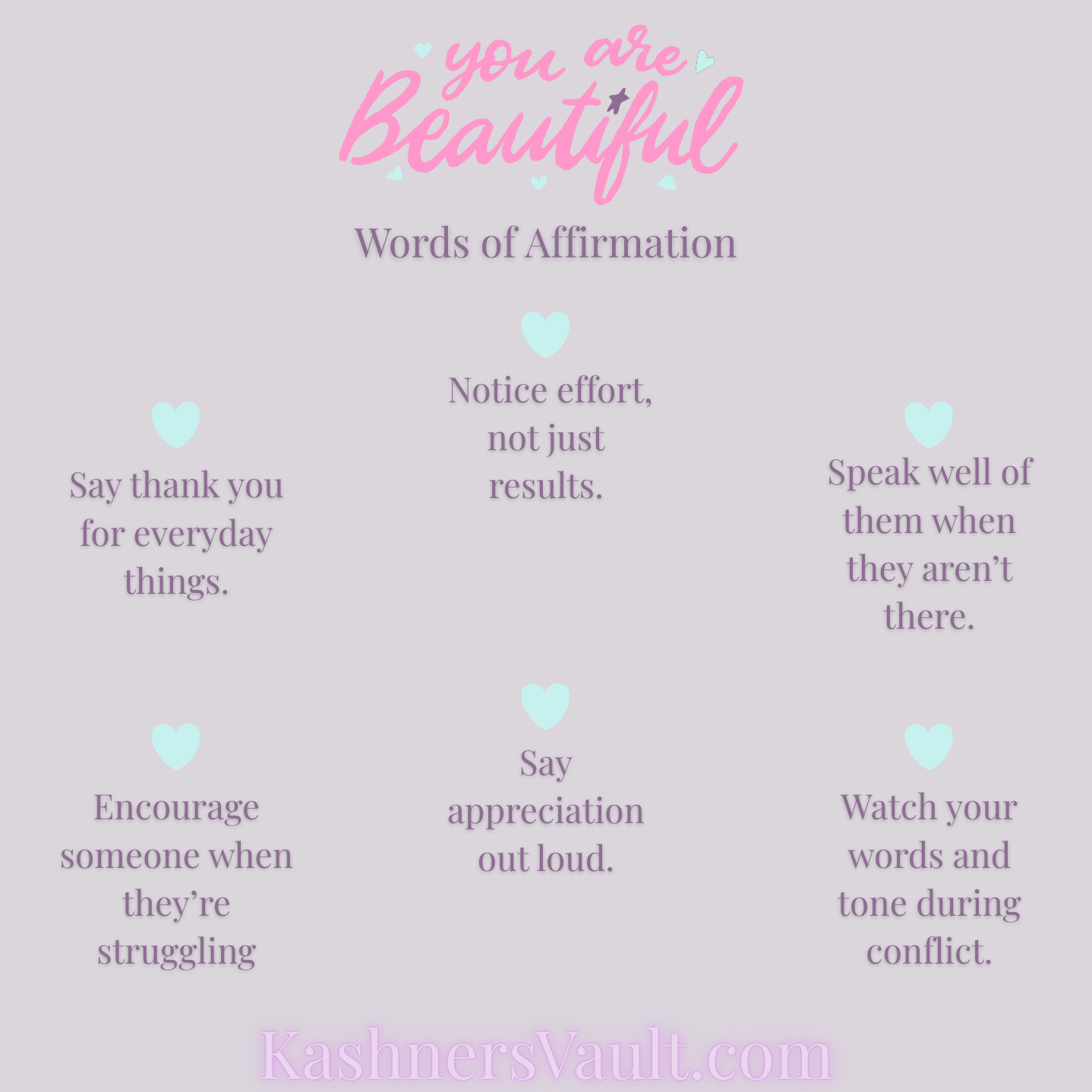
Words of Affirmation
If words of affirmation is your love language, then validation is what matters. You feel loved when appreciation is said out loud, not assumed. And on a slightly spicy note, a lot of so called ‘good boys and girls’ fall into this category. Compliments stick, but criticism sticks too. It’s important for appreciation to be expressed not just when things are perfect, but when effort is being made. Saying appreciation out loud helps these people feel loved and secure, while careless criticism can have lasting effects on how they see not only their partners, but themselves.
When conflict comes up, words and tone both matter. A harsh delivery can make these individuals shut down, even if the message itself is reasonable. Feeling safe in communication is key here. It does not have to be dramatic love letters or romantic speeches every day. Small verbal gestures go a long way. A genuine thank you or a simple ‘I’m proud of you’ can mean everything.
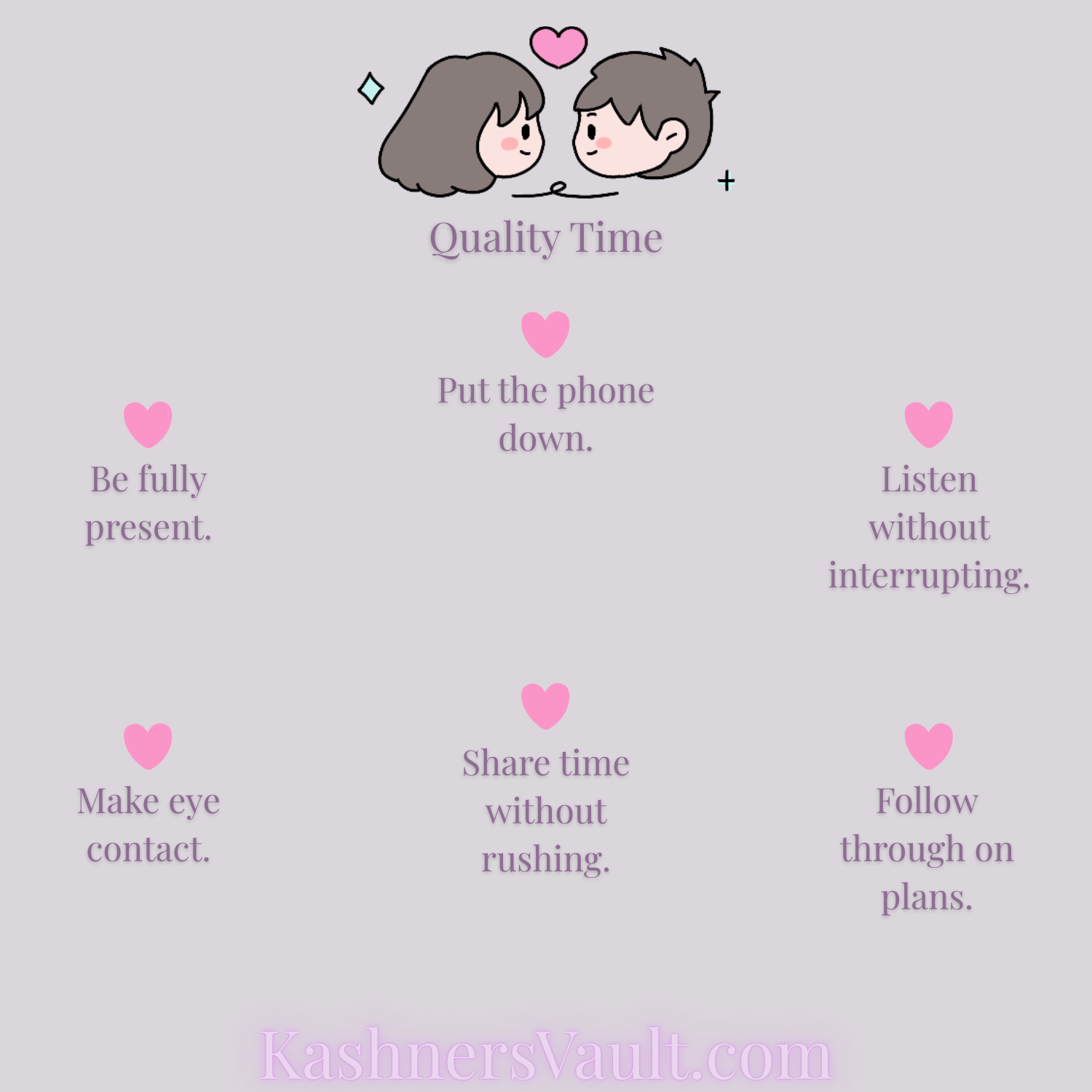
Quality Time
Quality time is about being together. But a lot of time together means nothing if you’re not actually attentive. And that’s the key word here, attention. Being on your phone, multitasking, or constantly checking the clock is not quality time. You probably don’t care about grand plans or long stretches of time as much as you care about focus.
For you, quality time is about feeling chosen in the moment. It’s the difference between someone sitting next to you versus someone being with you. One on one conversations, shared experiences, and intentional plans matter because they show effort and presence. You feel most connected when someone is engaged. The lesson here is that quality time is less about quantity and more about intention. You don’t need nonstop attention, but you do need sincerity. When someone shows up mentally and emotionally, even briefly, it fills your cup. When they don’t, no amount of togetherness can make up for it.
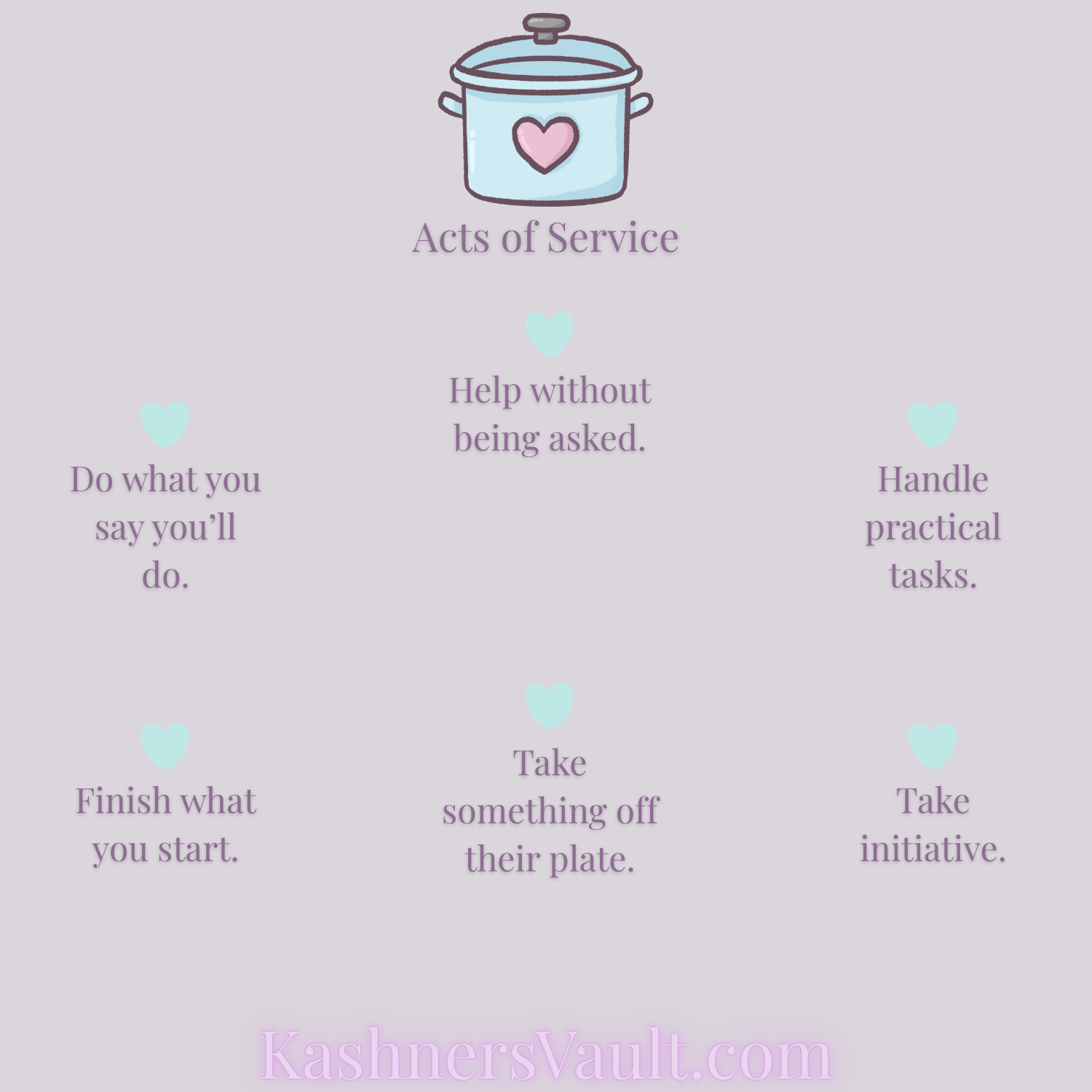
Acts of Service
Unlike words of affirmation, if acts of service is your love language, words don’t carry much weight. Action is what matters here. You would rather someone get up and do something without being asked than sit around talking about it. For you, follow through is how care is shown.
It doesn’t have to be a big gesture. What matters is when someone notices what needs to be done and does it. Taking something off your plate, handling a task, or following through on what they said they would do. That’s what makes you feel valued. With this love language, effort speaks louder than intention. Promises are fine, but consistency is what builds trust. Just be careful not to fall into the habit of doing everything yourself and calling it love. Acts of service only work when effort goes both ways
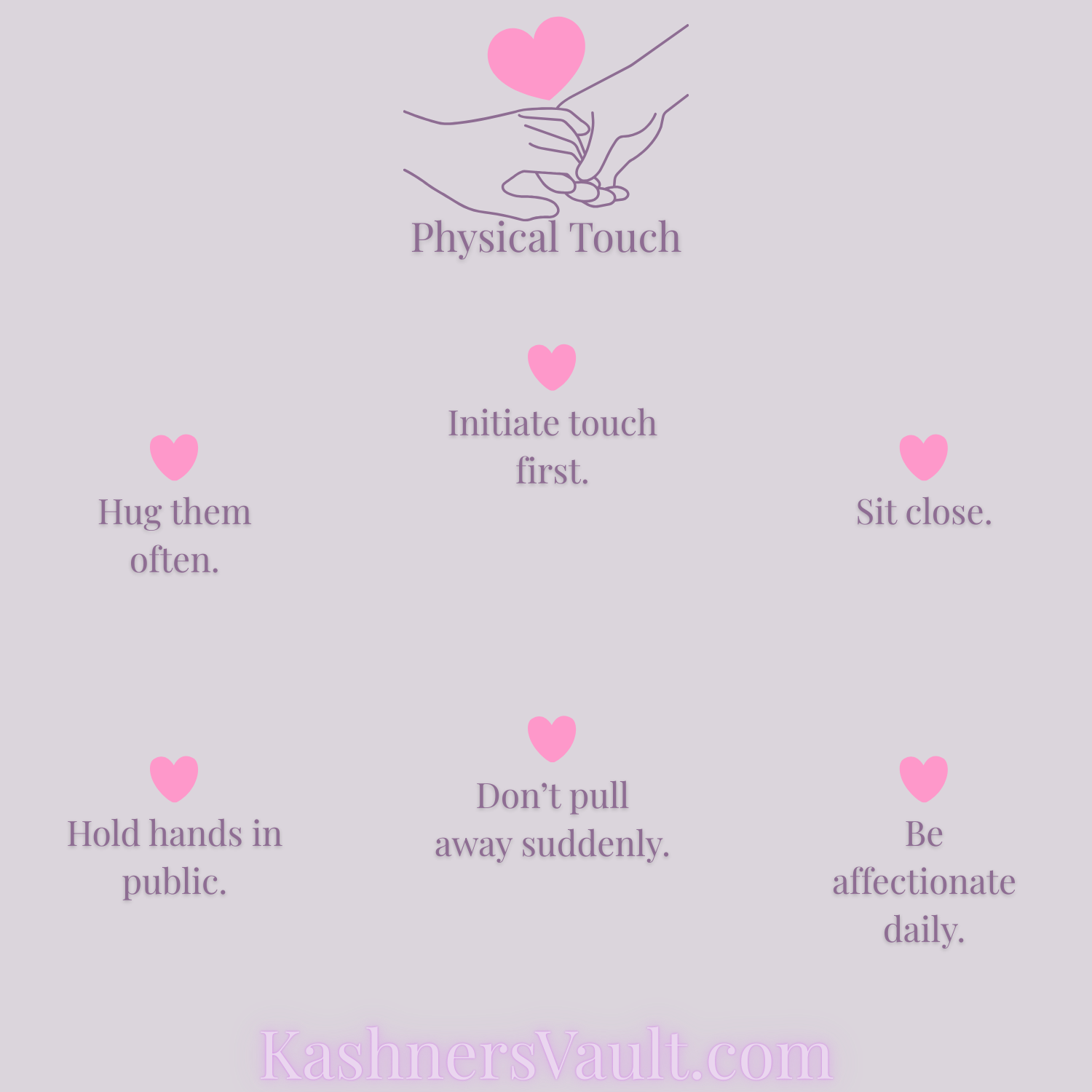
Physical Touch
Physical touch is the home of stage five clingers. LOL. Just kidding. Kind of. For you, physical touch is what makes you feel loved. Unlike quality time, physical touch people can enjoy doing their own thing, as long as their partner is nearby. Being close matters. That’s where intimacy registers for you.
You feel valued when there is consistent affection. When someone pulls away or starts feeling distant, it can create doubt fast. It’s not that you need constant smothering attention, but steady connection. Touch for you should feel mutual and consistent, not something you have to chase or ask for. Holding hands, frequent hugs, sitting close, cuddling on the couch, those are the things that actually fill your heart.
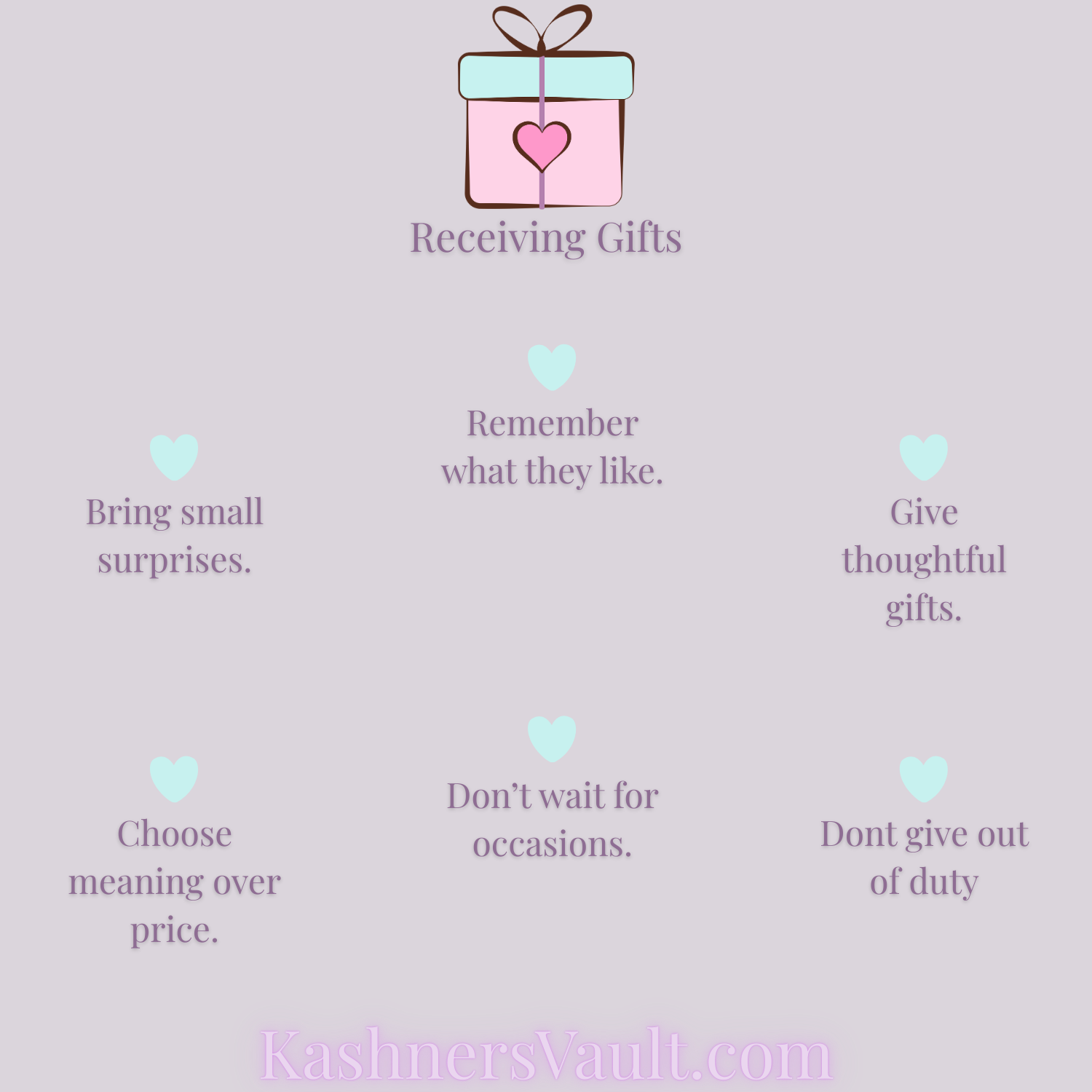
Receiving Gifts
If receiving gifts is your love language, you want to feel pampered. It’s not that you want a sugar daddy or mommy because it’s not about the money. It’s about being thought of. You feel loved when someone sees something and thinks of you without being prompted. The gift itself matters less than the intention behind it. Even picked flowers can be a huge gesture to you.
Gifts in your eyes are proof of attention. They say you were remembered, considered, noticed. A favorite snack, a random surprise, something that shows they know you. When effort disappears here, it can feel like you’re slipping out of someone’s awareness, even if that’s not what they meant.
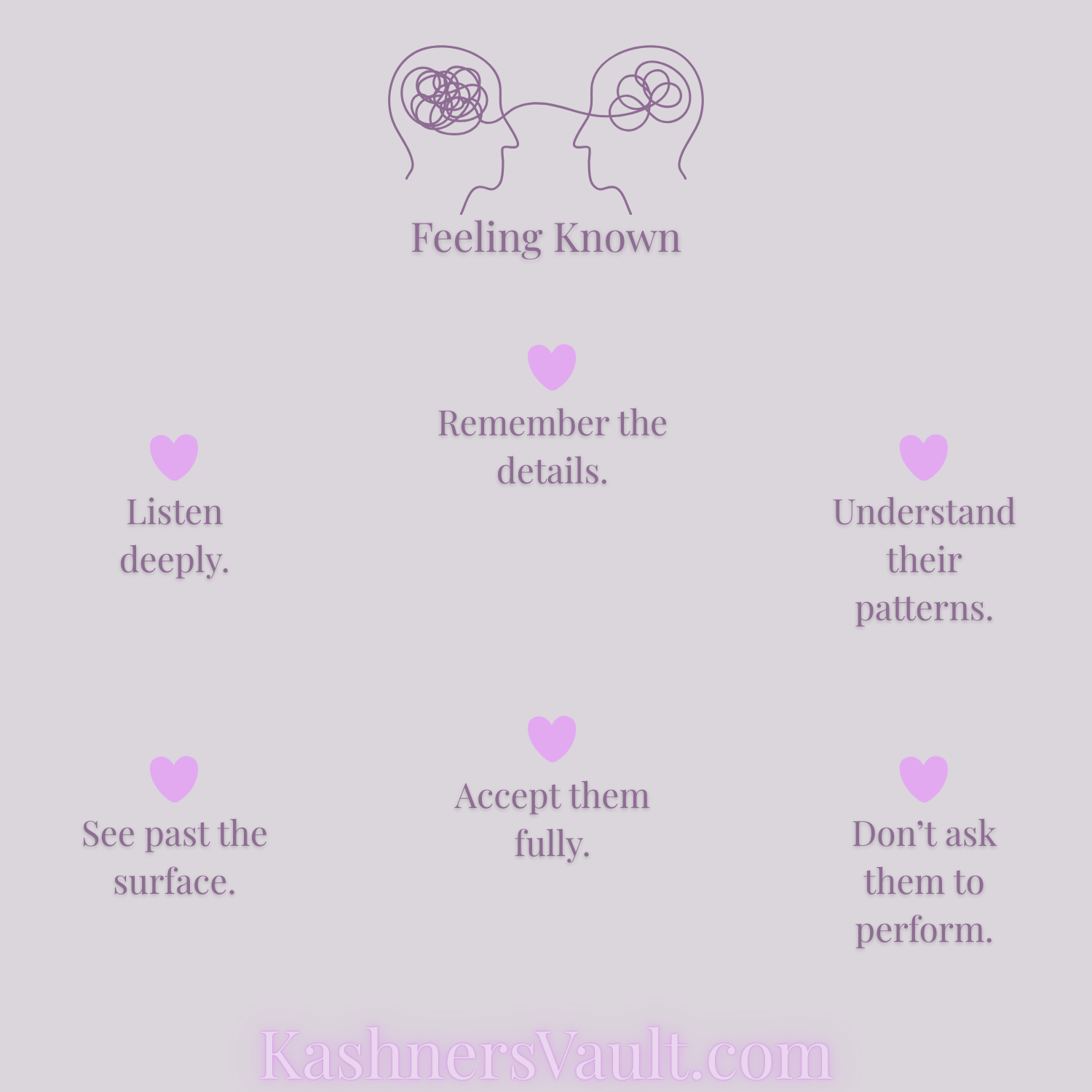
Feeling Known
This is the newest addition and some people consider it valid, some don’t, so its legitimacy is debatable. In my opinion, feeling known is often a result of receiving your preferred love language consistently, though I do see how it can stand on its own. Feeling known is the love language of being truly understood.
This love language is about being seen in your most raw and vulnerable state and still being accepted. You want someone who actually understands who you are beneath the surface, not just the version of you that is easy or pleasant. With the right person, you don’t feel the need to explain yourself over and over or soften your edges to be understood. You feel recognized as you are. When someone truly knows you, love feels steady because you’re not constantly trying to earn it or prove yourself worthy of it.
Many people give love differently than how they prefer to receive it, and that’s normal. You might show care through actions but need words in return. Or you might be great at quality time while secretly craving reassurance. Love just isn’t one size fits all. Some people also don’t have a single favorite at all. They want a well rounded partner who understands that different moments call for different expressions of care. What feels loving during conflict might not be the same thing that feels loving on an ordinary Tuesday night.
Knowing how you give and receive love stops a lot of unnecessary tension. Half the drama in relationships comes from people trying to give love the way they like it instead of how the other person actually receives it. Hopefully this information gives you a better idea of which love languages you’re working with.
© 2026 Delaina Kashner | Kashner’s Vault. All Rights Reserved.