
Western Outer Planets and Points
Hello Vaulters. We FINALLY finished the Vedic planetary series.
The Navagrahas are the foundation of Vedic astrology because they're the celestial bodies ancient astrologers could actually see and track with the naked eye: the Sun, Moon, the five visible planets, and the North and South Nodes of the Moon. The outer planets simply weren't part of the original system because they hadn't been discovered yet. As astronomy advanced, Western astrology gradually incorporated Uranus, Neptune, Pluto, Chiron, the Midheaven, Lilith, and other modern points into its framework.
For a long time, I leaned pretty strictly toward traditional Vedic astrology. But the more I studied these placements, the more I realized they have something valuable to offer. If something provides insight, I follow it. At the end of the day, we're all studying the same sky. So today, I want to take a look at the outer planets and points that aren't traditionally used in Vedic astrology and talk about why I think they're worth knowing.
Neptune
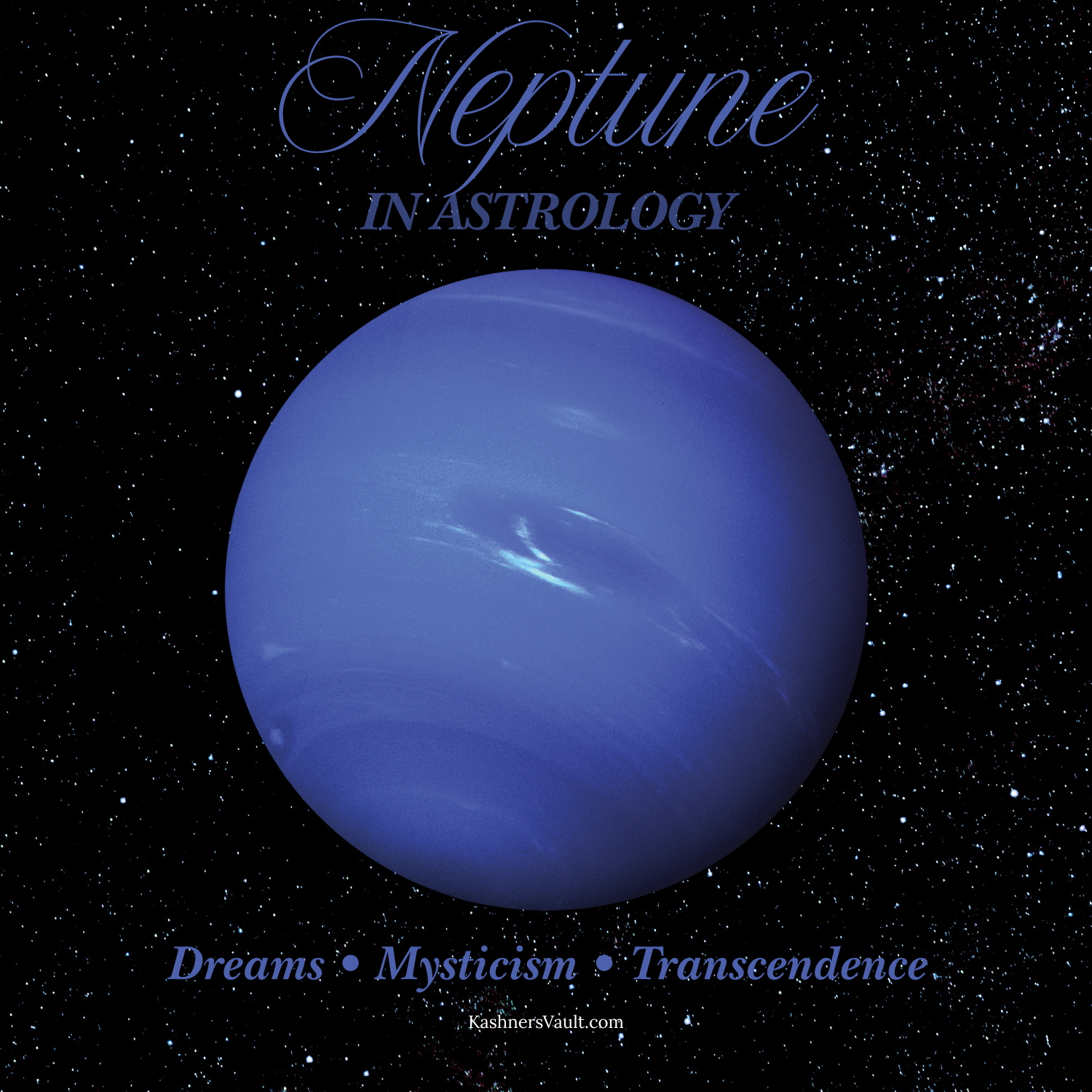
Neptune is a massive blue ice giant about four times the size of Earth. It takes 165 years to orbit the Sun, spending roughly 14 years in each sign.
In Roman mythology, Neptune rules the sea, and I think that's the perfect metaphor for this planet. Water refuses to stay in one shape. It flows and slips through your fingers. Neptune does the same thing symbolically. It blurs boundaries, making things feel mysterious or difficult to define. Wherever Neptune sits in the chart, there is often something unseen that asks you to look a little closer.
Neptune rules dreams, imagination, mysticism, and altered states of consciousness. At its best, it inspires creativity, compassion, and spiritual depth. At its worst, it can distort perception, leading to escapism, addiction, or deception. It's also why Neptune is associated with film, photography, and other forms of media. They create experiences that feel real, even when they're carefully constructed.
Neptune significations: Oil and gas, liquids, film and photography, dreams, spirituality, mysticism, alcohol and drugs, beauty, secrets, and altered states.
Uranus
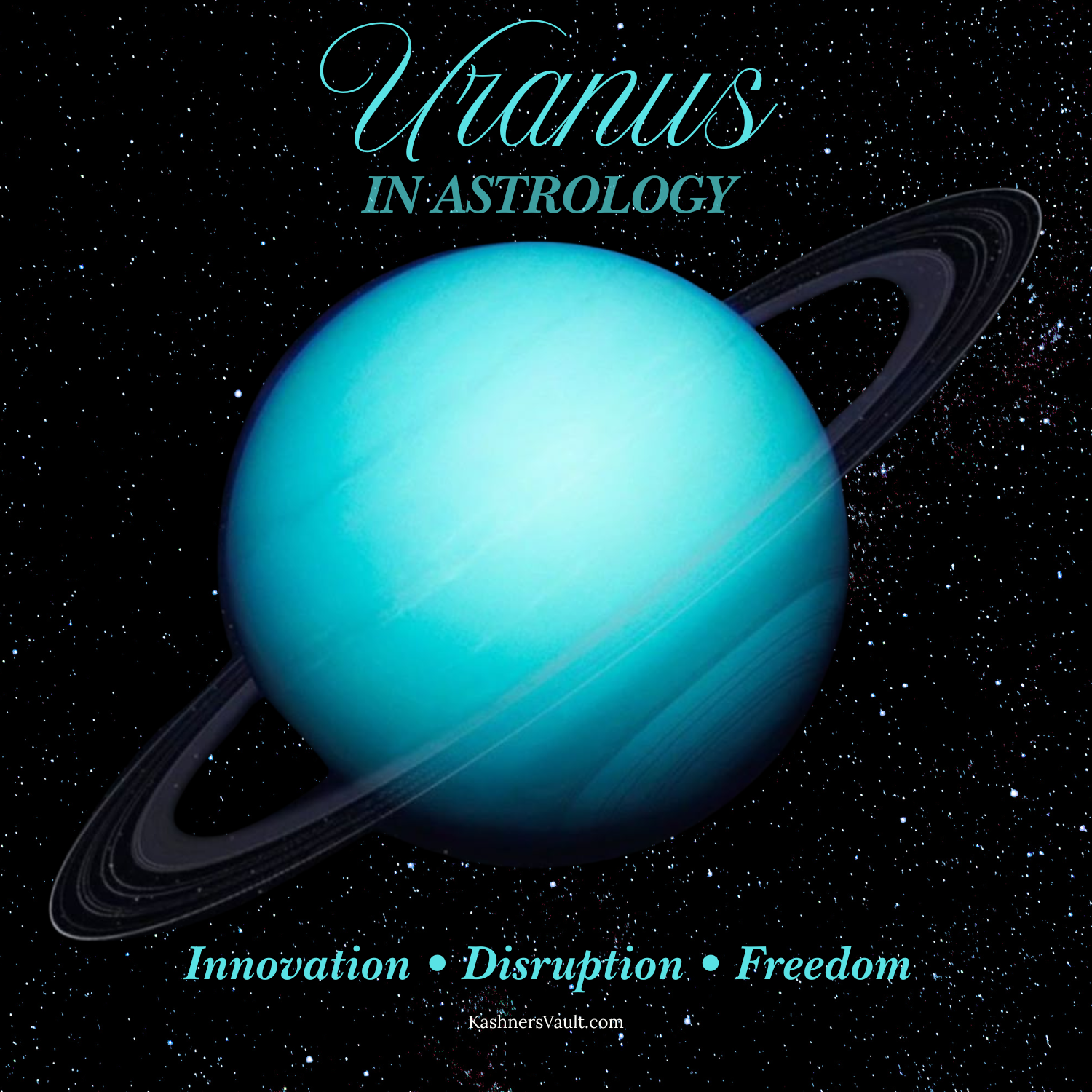
Uranus is an ice giant composed mainly of water, ammonia, and methane. It takes about 84 years to orbit the Sun, spending roughly seven years in each sign.
Uranus challenges old systems and asks, "What if there's a better way?" While its influence is collective, the house it occupies shows where you're most likely to experience breakthroughs or become the person who challenges the status quo.
I think Uranus shares some symbolic similarities with Rahu. Both challenge existing structures and pull our attention toward the future, though I don't consider them interchangeable. In Western astrology, Uranus is also associated with Aquarius because they both emphasize progress, innovation, and collective change.
Uranus significations: Innovation, liberation, technology, electricity, lightning, sudden change, awakening, nonconformity, collective movements.
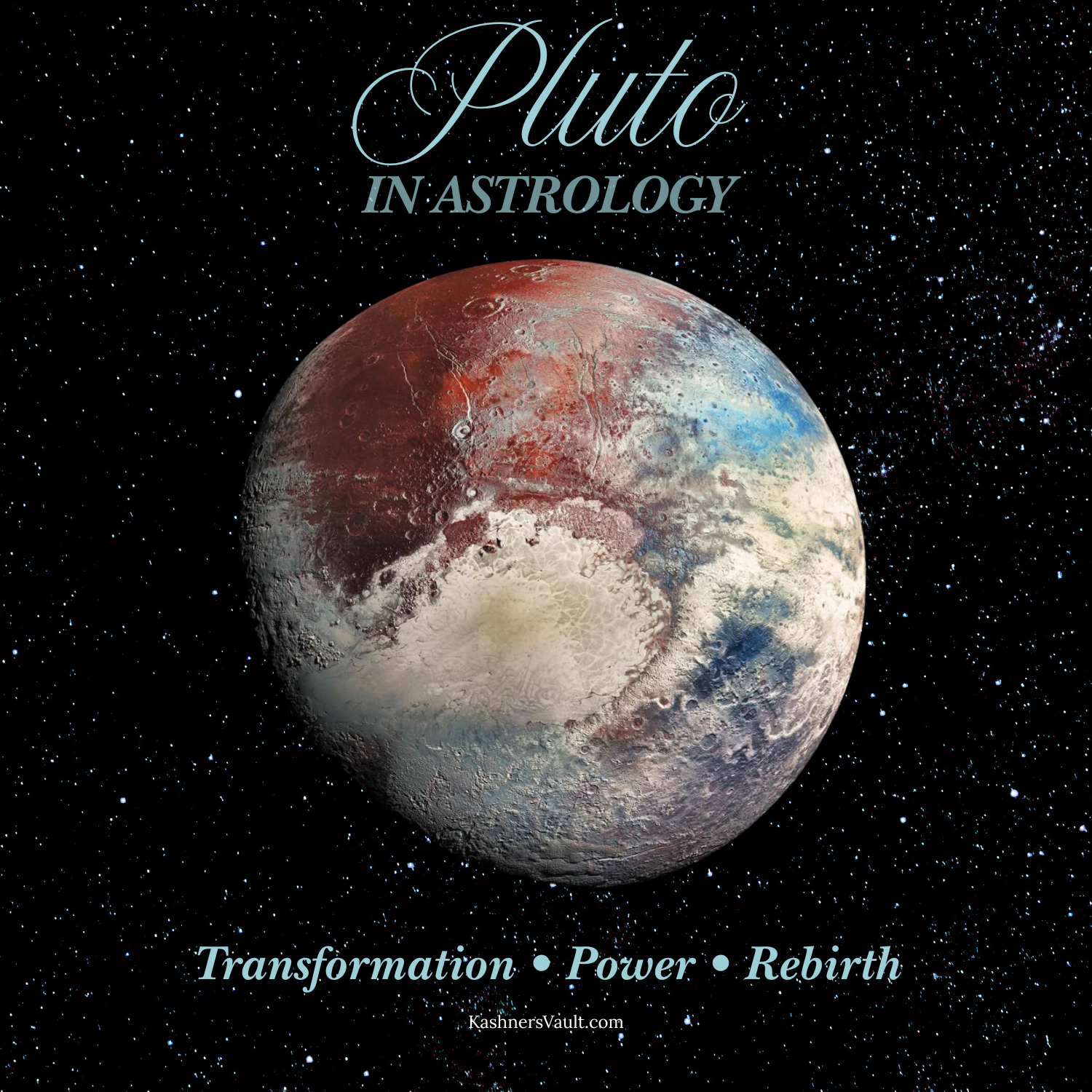
Pluto
Pluto sits far out in our solar system, made up mostly of rock and ice. Even though it's small, it's incredibly dense. Pluto takes about 248 years to orbit the Sun, spending anywhere from 12 to 30 years in each zodiac sign. In 2006, it was reclassified as a dwarf planet, though astrologers never really stopped paying attention to it.
I think Pluto shares some symbolic similarities with the 8th house and Scorpio. It represents transformation through endings. In my opinion, Pluto is closely connected to karma that can't be sidestepped. In Vedic terms, that reminds me of Prarabdha Karma, the experiences you're here to live through whether you like them or not.
Pluto brings hidden motivations to the surface, especially around power, obsession, manipulation, and fear.
Pluto significations: Transformation, power, surrender, death and rebirth, obsession, manipulation, shared resources, sex, money, karma, endings, envy.
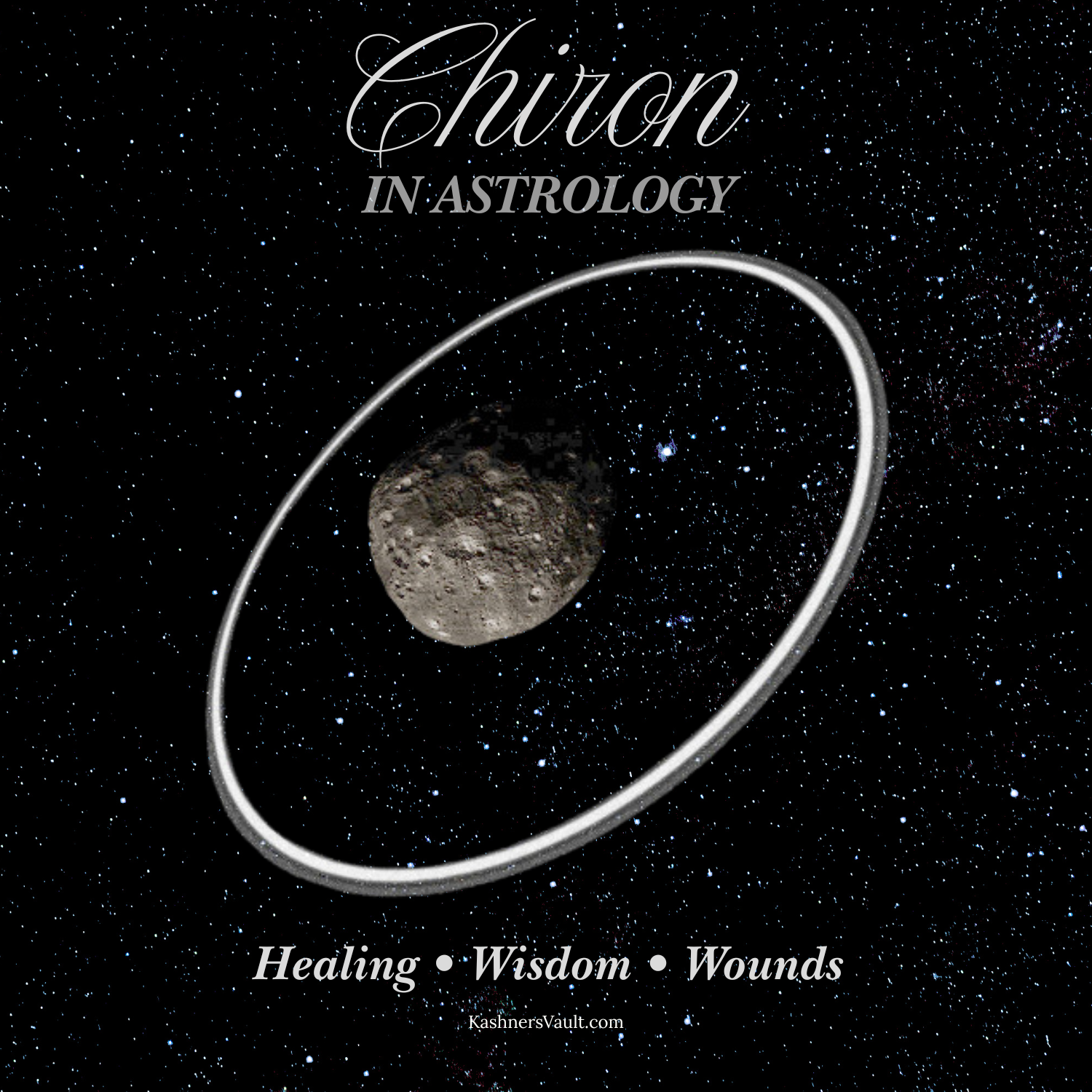
Chiron
Chiron isn't a planet. It's a small object that travels between Saturn and Uranus, taking about 50 years to orbit the Sun and spending several years in each zodiac sign.
In Greek mythology, Chiron was a centaur, but he stood apart from the rest. While most centaurs were wild and unpredictable, Chiron was known for his wisdom and gentle nature. He became a teacher and guide, yet despite all his gifts, he carried a wound that never fully healed.
In astrology, Chiron points to the places where pain shapes our awareness. These are patterns that tend to repeat until we finally understand them. Over time, that wound can become one of our greatest sources of wisdom. The guidance we offer often comes from the things we've actually lived through.
Unlike Pluto, which transforms through intensity, or Uranus, which pushes us toward change, Chiron works quietly through awareness. The house where Chiron sits shows where this wound lives and where the work of understanding, acceptance, and healing begins.
Chiron significations: Wounds, healing, vulnerability, wisdom, teaching, repeating patterns, integration, guidance.
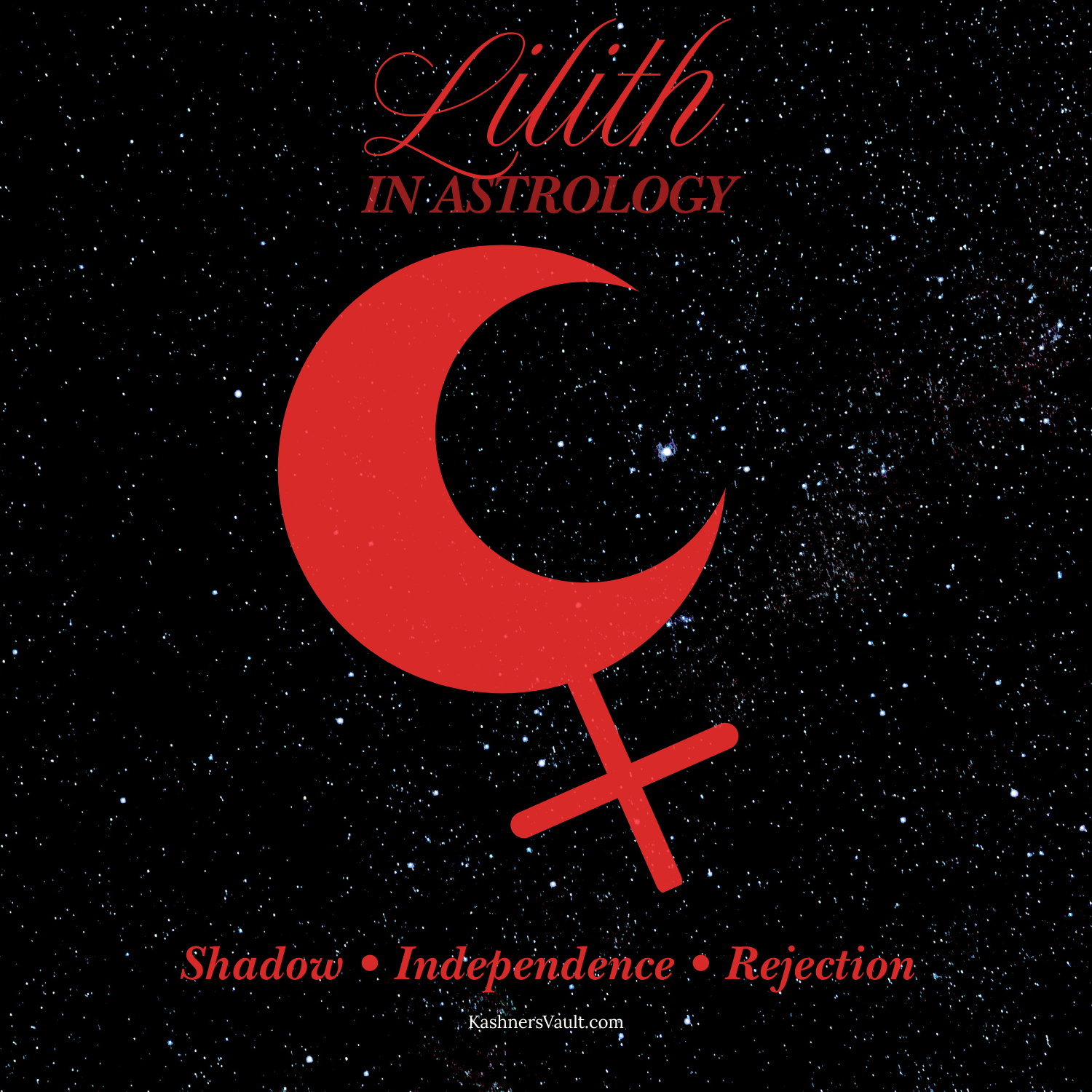
Lilith
Lilith is also a calculated point in the chart, not a physical body in the sky. It is based on the Moon’s orbit. More specifically, it marks where the Moon is farthest from Earth. According to Jewish folklore, Lilith was created as Adam’s equal, not his subservient. She left the Garden of Eden rather than submit and was later cast out and demonized. In modern astrology, this story is reframed as the refusal to submit and the reclamation of personal power.
Lilith shows the parts of you that will not compromise under pressure. It points to where you reject control and push back against authority. It can also show where you experience rejection or exclusion.
The house Lilith occupies shows where autonomy is non negotiable. Where you will not submit, even if it costs you.
Midhaven
The Midheaven is another calculated point used in Western astrology that marks the highest point in the birth chart. It represents your public life, career, reputation, and the direction you're building toward over time.
I like to think of the Midheaven as a bird's-eye view of the chart. Everything you've developed through the earlier houses eventually becomes visible here.
For example, Nostradamus had a Sagittarius Midheaven. Whether you believe his predictions or not, his public reputation became inseparable from prophecy, philosophy, and the search for meaning. That's a very Sagittarius kind of legacy.
Midheaven significations: Career, reputation, purpose, vocation, public image, ambition, authority, legacy.
All of these placements may not be used by every Vedic astrologer, but I am learning to integrate them, especially when they are in conjunction with the grahas in a chart. I believe they carry their own energies and influence how the planets behave, just as any graha conjunction would. The outer planets are especially useful for showing how generational influence manifests in the individual chart. Chiron and the calculated points offer deep insight into the psyche. That is extremely valuable when the goal is self understanding, which in my opinion is what astrology is truly for. Not prediction.
Whether neo Vedic astrologers use them or not, the patterns are there. They exist. The real question is how deep you want to go.
© 2026 Delaina Kashner | Kashner’s Vault