2026 - Year of the Fire Horse
Chinese zodiac is very different from the sidereal astrology we usually explore here. It also has its own flavor that is completely separate from commonly practiced Western astrology. Chinese astrology has nothing to do with houses, signs, or degrees. Instead, the Chinese zodiac, also known as Shengxiao, assigns an animal to the year you were born. There are many myths that explain the animals and their order in the zodiac. One of the most popular stories is the Great Race. According to the legend, Yu Di, also known as the Jade Emperor, ruler of the heavens, wanted to create a way to measure time. To do this, he organized a race. The rules were simple. The first twelve animals to cross the river would earn a place on his zodiac calendar. Their order of arrival would determine the cycle used to measure the years.
The rat woke early and set off before sunrise, determined to win. Along the way, he came across the horse, the tiger, and the ox. Because the rat was much smaller than the other animals, he asked them for help crossing the river. The tiger and the horse refused, but the kind hearted ox agreed and carried the rat across the water. Just as they approached the shore, the rat suddenly jumped from the ox’s head and ran ahead to claim first place. The ox followed in second place, with the tiger arriving shortly after in third. The rabbit was too small to fight the powerful current of the river. Instead, he hopped from stone to floating log until he finally reached the shore and secured fourth place. Next came the dragon. Despite being powerful enough to fly straight across the river, the dragon had stopped along the way to help other creatures and bring rain to the land. Because of this kindness, the dragon arrived in fifth place. As the horse galloped toward the finish line, a snake that had been hiding nearby suddenly slithered ahead, startling the horse and claiming sixth place. The horse followed closely behind in seventh. Looking out over the river, the Jade Emperor then spotted the sheep, the monkey, and the rooster working together on a raft. The three animals had cooperated to push their way through thick weeds and strong currents. When they reached the shore, they agreed that the sheep should take eighth place, since it had helped guide their journey with patience and harmony. The monkey took ninth and the rooster tenth. Soon after the dog arrived in eleventh place. Though the dog was a strong swimmer, he had been distracted by the joy of splashing and playing in the river. The final place belonged to the pig. Along the way the pig had grown hungry, stopped to eat, and even taken a nap before finally waddling across the finish line to claim the twelfth and final position in the zodiac.
Each animal displays certain characteristics, even in this brief story. Because of this, each year is associated with one of these animals in the same order. The cycle repeats every twelve years. But if there are only twelve animals, why does the full cycle repeat every sixty years instead of twelve? In Chinese astrology there are actually two overlapping systems. One is the animal cycle we just explored. The other is known as the Ten Heavenly Stems. This system is connected to the five classical elements of metal, wood, water, fire, and earth. Each element carries either Yin or Yang energy, creating a ten year elemental cycle. When the twelve zodiac animals are combined with the ten heavenly stems, the pattern expands into sixty unique combinations. This sixty year rotation is known as the sexagenary cycle. And like most forms of astrology, there are deeper layers if you choose to explore them. In addition to your birth year animal, you can also have an inner animal based on your birth month, a true animal connected to your birth day, and even a secret animal determined by the hour you were born. Each one reveals another layer of energetic influence.
In 2026 we fall into a Yang Fire Horse year.
More precisely, the year begins at Chinese New Year on February 17, 2026 and runs until early February 2027. The combination of the Fire Horse is considered one of the most powerful pairings in the sixty year cycle. Fire burns hot, bringing passion and destruction, but eventually completes its cycle through purification and renewal. Horses symbolize power and freedom. But it is important to understand something about Chinese astrology. It is not primarily describing your personality the way Western astrology often does. Instead, it describes the energetic climate of the year itself. It is less about saying you are a horse, so you must be a free spirit, and more about saying you were born during a period when the world's collective energy was pushing toward movement, independence, and change. In other words, the zodiac animal represents the atmosphere of the time. Entire generations can share certain themes because they were shaped by the same energetic season of history. Remember that the story of the Great Race itself begins with the Jade Emperor searching for a way to measure time. When you hear things like “tigers are bold” or “rabbits are gentle,” those are modern simplifications because the Zodiac isn't a personality label; it is an energy imprint.
The Fire element can bring a fast, bright, sometimes explosive year. When it combines with the Horse, the energy grows even more intense. The Fire Horse is known for bold action, rapid change, high momentum, impatience, and tension. This energy does not like to be controlled. Think of wild horses running across an open plain. The Horse has long been connected with freedom and motion. When the Fire element joins it, that movement becomes passionate and unpredictable. Years like this often carry a strong collective desire to break restrictions and pursue independence. Fire is not only destructive. In its higher expression, it represents inspiration and courage. It can illuminate new paths and push people toward leadership and decisive action. Because of this, Fire Horse years often feel emotionally heightened. Reactions can be quicker. People may feel more driven or restless. Conflicts can ignite easily. Yet periods like this can also produce major breakthroughs when people are willing to act boldly.
Looking back to the last Fire Horse year in 1966, we see similar themes unfolding across the world. That year was marked by social upheaval, protests, and growing tension between governments and citizens. Student movements spread through several countries as people began challenging traditional systems of authority. In China, the Cultural Revolution erupted, reshaping political and cultural life. In the United States, protests against the Vietnam War intensified as younger generations pushed back against leadership and policy decisions. While history never repeats itself exactly, cycles like this often reveal similar patterns. Periods associated with the Fire Horse tend to carry strong momentum, social pressure, and a willingness to question structures that once seemed untouchable.
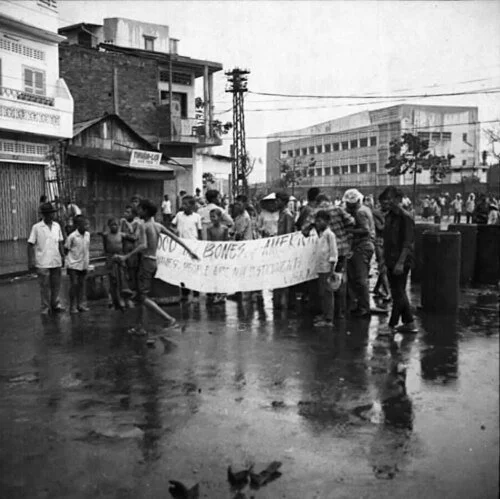
If you look at the world right now, you can already feel that same energy starting to build. Countries are clashing, and citizens are increasingly challenging political leadership. Systems that once looked solid are starting to crack. Whether it is political tension, cultural change, or unrest, you can sense that things are shifting. But this does not mean we are headed for chaos. Fire also brings courage and the power to shine a light on what has been hidden. The Fire Horse year is not just about conflict. It is about momentum and movement. It is the moment when everything that has been simmering beneath the surface finally breaks through. Here are a few images from the global unrest unfolding in 1966. Description and link from left to right.
🔗https://commons.wikimedia.org/wiki/File:NARA_photo_111-CCV-562-CC34956.jpg
Buddhist demonstrators protest the South Vietnamese government in Saigon, May 1966.
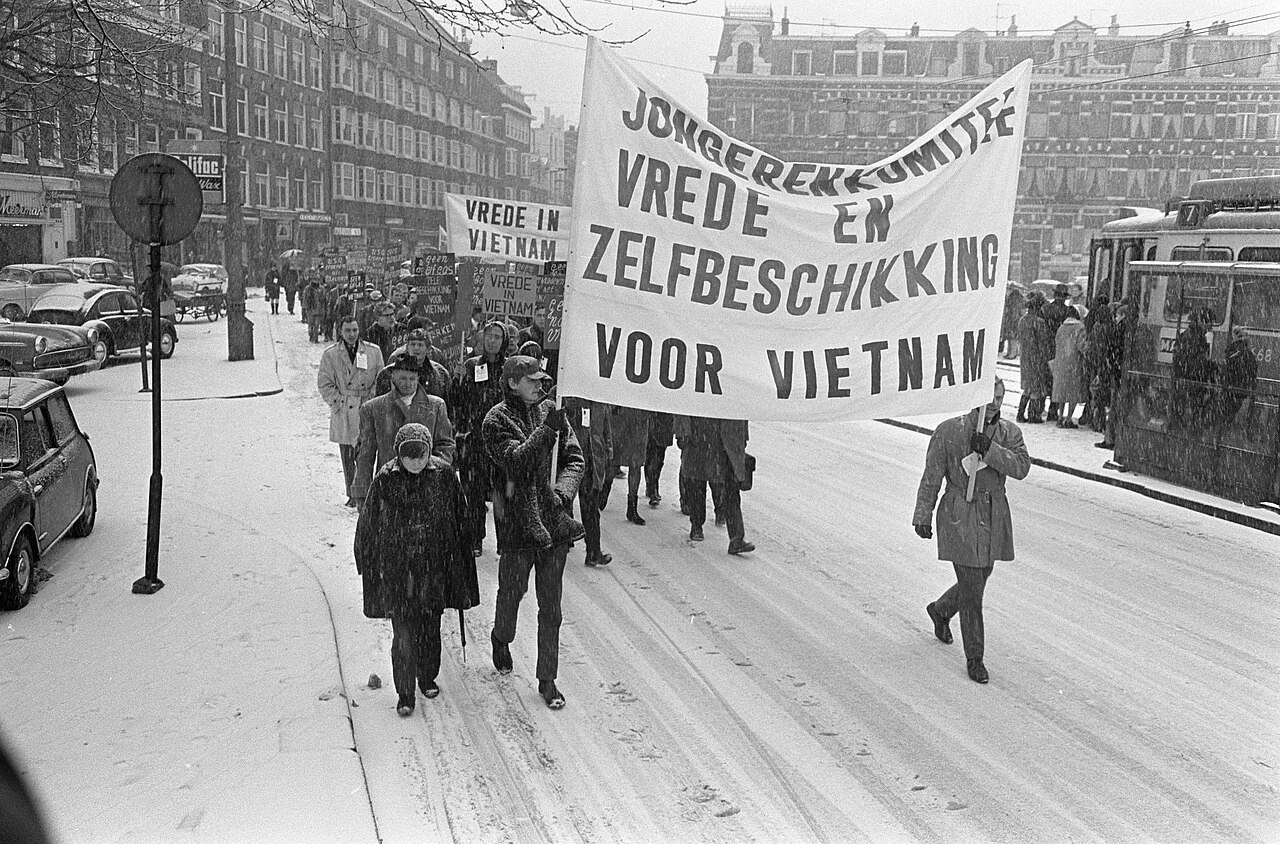
🔗https://commons.wikimedia.org/wiki/File:Protestmars_in_Amsterdam_van_diverse_jongeren-organisatie_tegen_oorlog_in_Vietna,_Bestanddeelnr_918-7728.jpg
Youth-led protest march in Amsterdam opposing the Vietnam War during a period of global unrest, 1966.
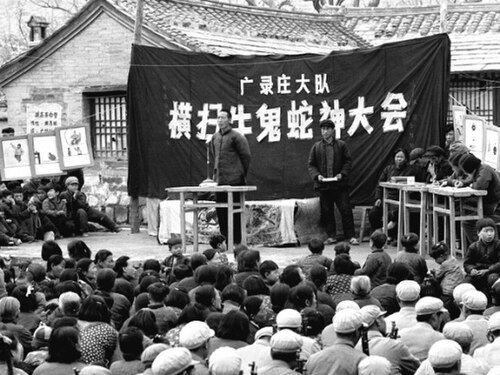
🔗https://commons.wikimedia.org/wiki/File:%E5%B9%BF%E5%BD%95%E5%BA%84%E5%A4%A7%E9%98%9F_%E6%A8%AA%E6%89%AB%E7%89%9B%E9%AC%BC%E8%9B%87%E7%A5%9E%E5%A4%A7%E4%BC%9A.jpg
Mass rally at the beginning of the Cultural Revolution in 1966.
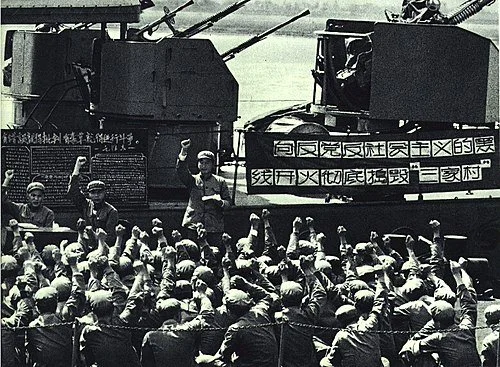
🔗https://commons.wikimedia.org/wiki/File:1966-10_1966%E5%B9%B4%E5%AF%B9%E4%B8%89%E5%AE%B6%E6%9D%91%E7%9A%84%E6%89%B9%E5%88%A4.jpg
Public denunciation session during the early Cultural Revolution period.
In the end, the Chinese zodiac was never meant to predict every detail of human life. It was a way of observing time itself and the patterns that seem to rise and fall within it. The Jade Emperor’s race was not simply a story about animals crossing a river. It was a myth about cycles, about movement, and about the changing energy that shapes different moments in history. Whether or not someone believes in astrology, the symbolism behind the Fire Horse remains interesting. Periods marked by this combination often carry intensity, pressure, and a sense that the world is accelerating. They can expose weaknesses in systems that once seemed stable while pushing individuals and societies toward change. As we move through the Fire Horse year ahead, the lesson may not be about predicting the future. It may simply be about recognizing the moment we are living in and understanding that some years are quieter than others.
And the Fire Horse has never been known for standing still.
Author’s Note
Chinese astrology is a vast tradition with centuries of scholarship behind it. My goal here is to explore the symbolism and historical patterns surrounding the Fire Horse year through research and study. Kashner’s Vault is a place for curiosity, investigation, and discussion. If readers who specialize in Chinese history, astrology, or cultural studies have additional insight or corrections, thoughtful feedback is always welcome. The vault grows stronger when knowledge is shared.
© 2026 Delaina Kashner | Kashner’s Vault